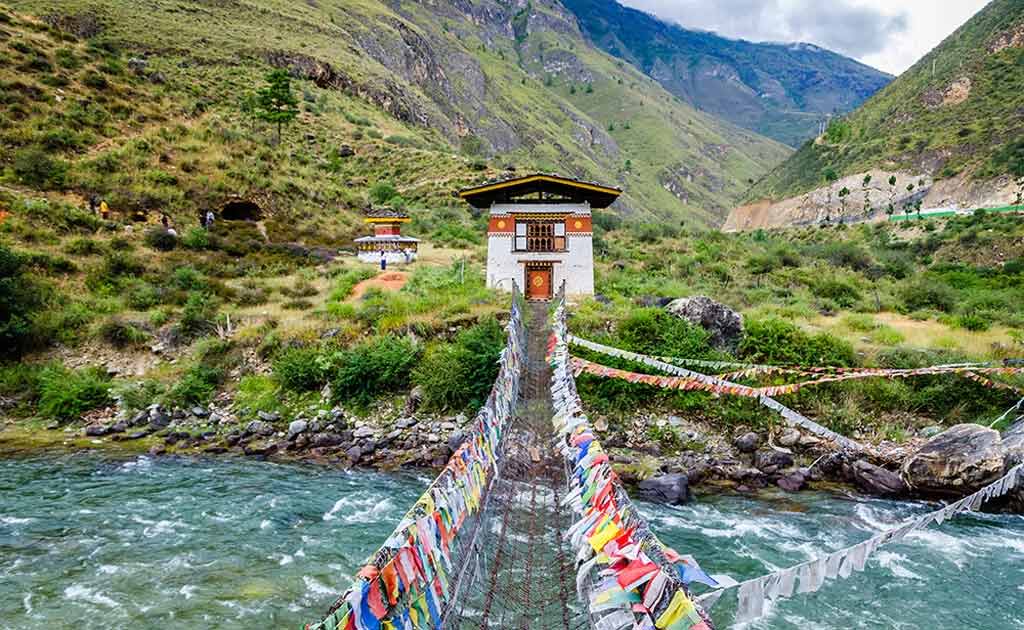
The Himalayas change with every season. Spring fills the trails with rhododendron blooms. Autumn brings the clearest mountain views. The monsoon turns the valleys green, and winter brings quiet streets and warm lodges. So the best time to visit the Himalayas depends on where you want to go and what you hope to feel.
This guide covers Nepal, Tibet and Bhutan season by season. You will find trek ideas, cultural tours, pilgrimages and luxury escapes for each time of year. Some journeys, like the Luxury Nepal Tour, suit many months. Others, like the Kailash Manasarovar Yatra via Kerung Route, need the right window.
At Utmost Destination, we plan private and bespoke journeys across the region. Our team knows when the trails are clear and when the roads are open. Read on to find the season that fits your travel style. For more planning ideas, see our guide on how to plan a luxury trip to Nepal.
The Himalayan Seasons at a Glance
Spring runs from March to May. The days are warm and the hills are covered in rhododendron blooms. Mornings are often clear, so mountain views are good. It is a lovely time for treks like the Ghorepani Poon Hill Trek. Bhutan also holds colorful festivals in this season. The Kailash season in Tibet begins in late spring too.
Monsoon runs from June to August. Rain falls across most of Nepal, and the clouds often hide the peaks. But some regions stay much drier. Mustang and Muktinath sit in a rain shadow, so journeys like the Upper Mustang Trek work well. Tibet is also at its busiest for pilgrims heading to Mount Kailash. Bhutan is quiet and green, with fewer visitors.
Autumn runs from September to November. This is the peak season for good reason. The skies are clear, the air is crisp and the weather is stable. Big treks such as the Annapurna Circuit Trek and the Everest Three Pass Trek are at their best. Nepal also celebrates Dashain and Tihar, its biggest festivals. Book early, as rooms and flights fill fast.
Winter runs from December to February. Days are cold in the high mountains but often sunny and calm in the valleys. Crowds are thin. It is the right time for cultural tours, wellness retreats and low altitude walks. A trip like the Luxury Nepal Escape fits well here. Some high passes and Tibet routes may close, so plan with care.
Spring (March to May): Blooms, Clear Mornings and Festivals
Spring is one of the most beautiful seasons to be in the Himalayas. The rhododendron flowers are pink and red on the hills. The days are warm and the woods are alive. Mornings are generally clear, with crisp mountain views before the afternoon haze sets in. Also it is a nice season for photo shooting and easy walking.
Nepal in Spring
Nepal is a joy in spring, whether you want to trek or tour. The trails are dry and the lodges are open. Here are some good options:
-
Ghorepani Poon Hill Trek: A short trek with sunrise views and forests full of blooms.
-
Annapurna Base Camp Trek: A classic route into the heart of the Annapurna range.
-
Everest Base Camp Trek: Sherpa villages, monasteries and views of the world’s highest peak.
-
Luxury Everest Base Camp Trek: The same route with more comfort and private service.
If you prefer a tour to a trek, spring suits couples and small groups well. The Honeymoon Tour Package and the Luxury Nepal Tour both fit this season.
Bhutan in Spring
Spring is a lively time in Bhutan. Valleys are green, the air is mild and many towns hold colorful festivals. Dancers in bright masks fill the courtyards of old dzongs. It is a good season to learn about local culture. Two packages fit well:
-
Bhutan Tour (7N/8D): A longer journey through the main valleys and towns.
-
Bhutan Tour 4N/5D: A shorter trip for travelers with limited time.
Tibet in Spring
Spring is also a good time to see Tibet. Lhasa and the Everest base camp on the northern side are within reach. Late spring marks the start of the Kailash season. Permit dates can shift from year to year, so confirm them before you book. Two packages to consider:
-
Lhasa EBC Tour: Lhasa’s sacred sites and a drive to Everest base camp.
-
Kailash Manasarovar Yatra via Kerung Route: A pilgrimage to Mount Kailash and Lake Manasarovar.
For route details, permits and the best months for the yatra, read our guide on Kailash Manasarovar 2026: Travel Routes, Best Time, and Permits.
Monsoon (June to August): Rain Shadow Journeys and Pilgrimages
The monsoon is often seen as a season to avoid. But it can be a smart time to travel if you choose the right place. Rain falls heavily across much of Nepal, and clouds hide many peaks. Yet some regions stay far drier. Mustang and Muktinath sit in a rain shadow, behind the Annapurna range. The land there stays dry, dusty and open. Crowds are also much smaller, which makes the trip feel calm and personal.
Nepal in the monsoon
The trans-Himalayan region is the best choice in these months. The landscape is stark and golden, with deep canyons and old cave villages. Here are some good options:
-
Upper Mustang Trek: A walk to the walled city of Lo Manthang.
-
Luxury Upper Mustang Tour: The same kingdom with premium stays and private service.
-
Upper Mustang Bike Tour: A ride through rugged trails and wide desert valleys.
Muktinath is also a fine monsoon choice. Pilgrims visit this sacred temple all through the season. You can choose the way you travel:
-
Muktinath Pilgrimage Tour: A simple and well planned journey to the temple.
-
Luxury Muktinath Pilgrimage Tour: A more comfortable trip with better hotels.
-
Muktinath Helicopter Tour: A quick one day visit by air.
Flights and roads can face delays in heavy rain, so keep your schedule flexible. If you plan to ride, read our guide on Upper Mustang by Bike: What Riders Should Know Before Going.
There is one more option for devout travelers. The monsoon months are a busy time of prayer for Shiva devotees in Nepal. The Greatest Shiva Circuit of Nepal takes you through the sacred temples linked to Lord Shiva.
Tibet in the monsoon
Tibet is at its busiest for pilgrims in this season. The weather is milder and the roads to the far west are open. This is the main window for Mount Kailash. Two packages to consider:
-
Kailash Manasarovar Yatra via Lhasa: A longer route that passes through Lhasa and its famous monasteries.
-
Luxury Kailash Manasarovar via Lhasa Ali: A premium journey with more comfort along the way.
Route conditions can change from year to year. Before you book, read our update on Kailash Yatra Alternative Routes After the Flood: 2027 Guide.
Bhutan in the monsoon
Bhutan is quiet and very green in these months. Rice fields shine, clouds drift through the valleys and fewer visitors are on the road. Showers come and go, so pack light rain gear. It is a peaceful time for culture and slow travel. One package fits well:
-
Bhutan Cultural Tour: A six-day journey through temples, towns and village life.
Autumn (September to November): Peak Season for Views and Festivals
Autumn is the most popular season in the Himalayas, and for good reason. The monsoon rains have washed the air clean. Skies are blue, the weather is steady and the mountains stand out sharply. Days are warm and nights are crisp. It is the best time for long treks and for scenic flights. It is also the season of Nepal’s biggest festivals, Dashain and Tihar. Streets glow with lights, and families gather to celebrate. Because it is so busy, rooms and flights fill early.
Nepal in Autumn
This is the season for the big treks. Trails are dry and views are at their finest. Here are some good options:
-
Everest Three Pass Trek: A demanding loop over three high passes in the Khumbu.
-
Annapurna Circuit Trek: A classic journey across forests, villages and the Thorong La Pass.
-
Manaslu Circuit Trek: A quieter route around the eighth highest peak in the world.
-
Langtang Valley Trek: A shorter trek with Tamang culture and peaks all around.
If you prefer luxury travel to trekking, autumn is good. Clear skies make scenic flights worth the cost. Three packages to consider:
-
Premium Nepal Tour: A refined journey with top hotels and private service.
-
Luxury Nepal Tour with Everest Helicopter: A comfortable tour with a helicopter flight to the Everest region.
-
Kathmandu Valley with Everest Heli Tour: A short trip for visitors with limited time.
Autumn is also a meaningful time for faith and culture. Temples are lively and festivals fill the calendar. You can choose from two journeys:
-
Hindu Pilgrimage Tour: Sacred temples and holy sites across Nepal.
-
Buddhist Circuit Tour: Stupas, monasteries and places linked to the life of the Buddha.
Riders will enjoy this season too. Dry roads and clear air make long rides far easier. Two packages to look at:
-
Motorbike Ride to Tilicho Lake: A ride toward one of the highest lakes in the world.
-
Nepal Tibet Adventure Motorbike Tour: A long journey from Nepal across the border into Tibet.
For help choosing where to stay in peak months, read our guide on Where to Stay in Nepal for a Truly Premium Experience.
Tibet in Autumn
Autumn brings crisp air and golden light to the Tibetan plateau. Lhasa is at its best, and the roads to the monasteries are open. Early autumn may still suit pilgrims, but the Kailash season is closing. Confirm dates before you book. Here is one package to consider:
-
Central Tibet Tour: Lhasa, its great monasteries and the heart of Tibetan culture.
Bhutan in Autumn
Bhutan is lovely in autumn. The air is clear, the rice fields turn gold and the mountain views open up. Festivals are held in several towns, so you may catch a colorful celebration. It is a good season for both sightseeing and gentle walks. One package fits well:
-
Bhutan Tour (7N/8D): A relaxed journey through the main valleys, temples and towns.
Winter (December–February): Quiet cities, warm lodges, low trails
Winter is a quiet period in the Himalayas. The air is dry and crisp, the skies often clear and bright. It is very cold in the high mountain areas and the passes are snow-covered. But the valleys and cities are mild and sunny in the daytime. Crowds are thin, hotels are quiet and sights are easy to see. It’s the time for culture, comfort and gentle walks.
Nepal in Winter
Nepal is lovely in winter if you choose lower regions. Kathmandu, Pokhara and the hills offer warm days and clear views. Cold nights are easy to handle with a good lodge or hotel. Here are some good options for luxury and family travel:
-
Luxury Nepal Escape: A relaxed journey with fine stays and private service.
-
Luxury Family Adventures in Nepal: Easy activities and comfort for all ages.
-
Best Of Nepal Tour: A broad introduction to the culture, cities and landscapes of Nepal.
If you still want to walk, stay at lower heights. The trails are quieter and the weather is kind in the foothills. Two packages to consider:
-
Luxury Annapurna Foothills Treks: Gentle walks through hill villages with comfortable stays.
-
Ghorepani Poon Hill Trek: A short trek with sunrise views. Snow may fall near the top, so pack warm layers.
Winter is also a fine time for rest and renewal. The mood is slow and the air is clean. You can choose from two journeys:
-
Luxury Wellness and Spiritual Reset in Nepal: A calm program of wellness, reflection and sacred sites.
-
Mardi Himal Yoga Trek: A trek that blends gentle walking with daily yoga.
For a short break, a day trip works well in winter. The Manakamana Day Tour takes you to a famed hilltop temple in a single day. To learn more about wellness trips, read our guide on Best Luxury Yoga Treks in Nepal.
Tibet in Winter
Winter is the quiet season in Tibet. Lhasa stays dry and sunny, but nights are very cold. Some roads and high routes may close or change at short notice. The Kailash season is over, so plan a city and monastery trip instead. Check road and permit news before you book. Here is one package to consider:
-
Central Tibet Tour: Lhasa and its great monasteries in a short, easy journey.
Bhutan in Winter
Bhutan is calm and bright in winter. Skies are often clear, so mountain views are sharp. Days are mild in the lower valleys, though mornings and evenings are cold. It is a good season for temples, markets and unhurried sightseeing. One package fits well:
-
Bhutan Tour 4N/5D: A short trip to the main sights, ideal for a winter break.
Which Season Suits Your Travel Style?
Not sure which season to choose? Start with the kind of trip you want. Here is a quick guide.
-
Honeymooners: spring or winter. Spring brings blooms and warm days. Winter brings quiet hotels and clear skies. Try the Honeymoon Tour Package or Royal Romance: Luxury Honeymoon in Nepal.
-
Families: autumn or winter. The weather is stable and the pace is easy. Look at the Family Tour Packages in Nepal or the Luxury Family Adventures in Nepal.
-
Pilgrims: monsoon or autumn. Kailash and Muktinath are open in the monsoon. Temple tours shine in autumn. Consider the Kailash Manasarovar Yatra via Kerung Route or the Muktinath Pilgrimage Tour.
-
Trekkers: spring or autumn. Trails are dry and views are at their best. Try the Annapurna Base Camp Trek or the Everest Base Camp Trek.
-
Riders: autumn or monsoon. Autumn has dry roads and clear air. The monsoon suits Mustang, which stays much drier. See the Upper Mustang Bike Tour or the Motorbike Ride to Tilicho Lake.
-
Luxury travel during the winter or fall. Sightseeing flights in the fall are absolutely delightful. Rest and coziness are the gifts of winter. Try the Everest Helicopter Tour or the Luxurious Nepal Escape for a taste of Nepali luxury.
-
Wellness seekers: winter. The air is clean and the mood is slow. The Luxury Wellness and Spiritual Reset in Nepal fits well.
-
Culture lovers: spring or autumn. Festivals fill both seasons in Nepal and Bhutan. Try the Bhutan Tour (7N/8D) or the Buddhist Circuit Tour.
-
Travelers who want quiet: monsoon or winter. Crowds are thin and the pace is calm. The Central Tibet Tour or the Bhutan Tour 4N/5D can suit this mood.
-
First time visitors: autumn or spring. The weather is kind and the views are clear. The Best Of Nepal Tour is a good start.
Conclusion
There is no single best time to visit the Himalayas. Each season offers something different. Spring brings blooms and festivals. The monsoon opens the dry lands of Mustang, Muktinath and Kailash. Autumn gives the clearest views and the biggest treks. Winter is calm, quiet and good for culture and rest. The right choice depends on your plans, your pace and your comfort.
At Utmost Destination, we design private and bespoke journeys across Nepal, Tibet and Bhutan. Our team will help you match the right season to the right trip, from permits and flights to hotels and guides. Are you ready? Contact us today and let us plan your Himalayan journey.