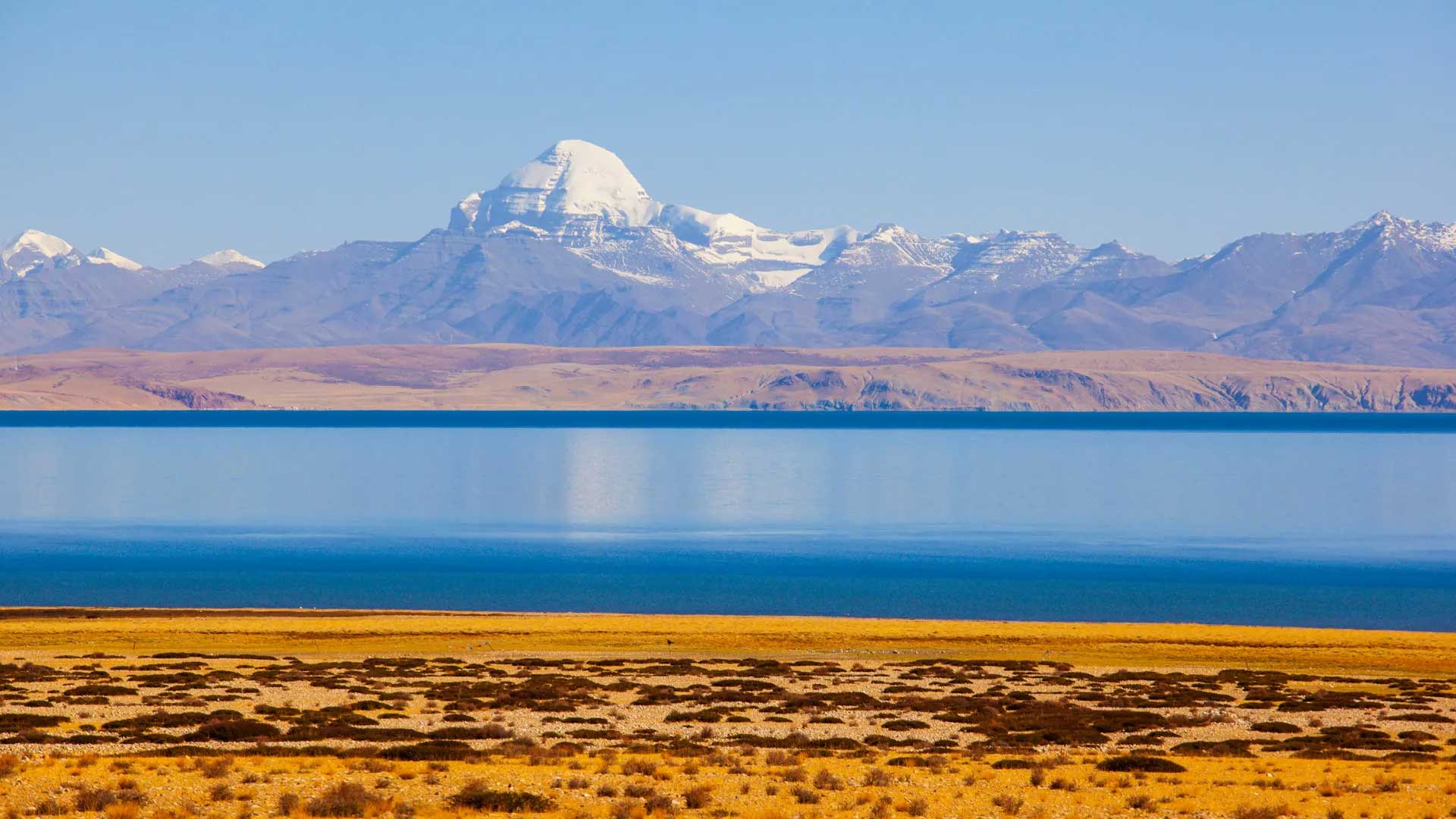
Few journeys are planned as long as the Kailash Yatra. Families save for years. Some pilgrims wait for a vow to ripen or for the health to walk 52 km at altitude. So when news came of a second flood on the Bhote Koshi, one question came fast. Can I still go?
Yes, you can. But not by the road most people expected.
This was the second hit to the Kerung border in about a year. The first flash flood, in July 2025, swept away the Friendship Bridge at Rasuwagadhi. The crossing stayed shut until 1 January 2026. Pilgrims returned that spring, and the old route felt safe again.
Then, on the morning of 26 August 2026, a flash flood tore down the Bhote Koshi and Trishuli rivers through Rasuwa. Lives were lost, and hundreds were first reported missing. The Rasuwagadhi to Kerung crossing was destroyed. As of late October, there was still no clear reopening date.
That leaves two kinds of pilgrims with hard questions. Some hold a booking on our Kerung route yatra and need to know what happens next. Others are planning a Kailash Mansarovar Yatra from Nepal for 2027. No one can promise the Kerung road for that season yet, so a good plan always keeps a second route ready.
This guide helps with both. Utmost Destination plans Kailash departures from Kathmandu, so we follow border news closely. Here we explain what the 2026 flood changed. We show which routes still reach Mount Kailash and Lake Manasarovar and compare them on days, altitude, cost and weather risk. We also explain how the Tibet Travel Permit and visa work on each route.
Three routes stand out right now. If you want the gentlest acclimatization, our 18 day Lhasa fly in and overland yatra lets your body adjust across the Tibetan Plateau. If privacy matters most, our 14 day Lhasa and Ali flight route is a private trip with less driving. If time matters most, our 12 day Hilsa yatra flies west from Kathmandu and skips the Rasuwa road entirely. We also cover other crossings people ask about, and which ones we do not run.
If you already hold a Kerung booking, jump to the last section. You can also ask us for the latest border status on WhatsApp or through our contact page.
What the Two Floods Changed on the Kathmandu to Kerung Road
For years, the Kerung road was the simple answer. You leave Kathmandu, drive to Syabrubesi, cross at Rasuwagadhi, and enter Tibet at Gyirong. Our Kerung route yatra follows this line, with the crossing on day six and Saga on day seven.
Two floods have broken that line in about a year:
-
July 2025: A glacial lake flood in China swept away the Friendship Bridge. A new Bailey bridge followed, and the border reopened on 1 January 2026.
-
Spring 2026: Pilgrim groups were crossing at Rasuwagadhi again.
-
26 August 2026: A second flood came down the Bhote Koshi.
The second flood did more than the first. It did not only hit the border post. It damaged the road between Betrawati and Rasuwagadhi in several places and washed away multiple bridges. So the problem is the whole drive, not just the crossing. Departures planned through Kerung were paused, and overland travel through this gate was suspended for the rest of the 2026 season.
Here is what that means for a pilgrim. Your Tibet Travel Permit is not cancelled by the closure, but it cannot be used to enter at Rasuwagadhi until the route reopens.
How long will it take? Last time, repairs took about six months. This time the road is damaged as well, so we would not count on the same timeline. As of late October, no clear reopening date had been given.
One more pattern matters for your planning. Both floods came in July and August, during the monsoon. That is inside the main yatra season, since our Kerung package lists May to September as the best months. Even when the border reopens, the monsoon months will carry some risk on this road.
That is why we keep a second route ready for every pilgrim. Our Lhasa fly in route, Lhasa and Ali flight route and Hilsa route all reach Kailash without touching Rasuwagadhi. We compare them in detail below. If your dates are close, message us on WhatsApp for the current border status before you decide.
Kailash Yatra Routes at a Glance
Here is how our three yatra routes compare today. All figures come from our package pages.
|
Route |
Days |
Reach Darchen |
Max altitude |
From price |
Group type |
|
18 |
Day 12 |
5,665 m |
US$6,200 |
Group, up to 40 |
|
|
14 |
Day 9 |
5,665 m |
US$7,800 |
Private, up to 20 |
|
|
15 |
Day 10 |
5,630 m |
US$3,500 |
Group, 15+ |
|
|
12 |
Day 7 |
5,640 m |
US$4,250 |
Group, up to 50 |
The Kerung route is paused while the border stays closed. We keep it here as the baseline, and it returns once the road does.
Which one fits you? Pick the Lhasa overland route if you want gentle acclimatization and time in Lhasa’s monasteries. Pick the Lhasa and Ali flight if you want a private trip with less driving. Pick the Hilsa route if you want the shortest trip and handle altitude well. All three avoid the Rasuwagadhi road. Our Plan Your Trip page can adjust any of them to your dates.
Route One: Fly into Lhasa and Drive West
This is the gentlest way to reach Kailash. You fly from Kathmandu to Lhasa, then climb the Tibetan Plateau in steps. Our Kailash Manasarovar Yatra via Lhasa is 18 days long.
You land in Lhasa at about 3,650 m and spend two days there. Then the road runs through Shigatse, Tingri and North Everest Base Camp to Saga. Lake Manasarovar comes on day 11, and the Kailash kora starts only after that. By then your body has had a week to adjust.
The Lhasa days are not a detour. They are part of your acclimatization. If you want to see more of Tibet first, our Central Tibet Tour and Lhasa-EBC Tour show what the region offers.
What you get:
-
Kathmandu to Lhasa flight included
-
Five-star hotels in Kathmandu and Tibet
-
Oxygen cylinders in every vehicle
-
Tibet permit and visa arranged by us
The trade-off is time. It takes 18 days, and you reach Darchen on day 12. The package excludes travel insurance and rescue and evacuation cover, so book that yourself.
Route Two: Fly from Lhasa to Ali
This is our most private route. You skip the long plateau drive and fly west instead. Our Luxury Kailash Manasarovar via Lhasa and Ali takes 14 days, and you reach Darchen on day 9.
The first half looks like the Lhasa route. You fly from Kathmandu to Lhasa and spend two days at the Potala, Jokhang and other monasteries. Then you fly on to Ali, in the Ngari region. The flight takes about two hours. From Ali, a short drive brings you to Lake Manasarovar. You bathe and fill your bottles at the shore, then continue to Darchen for the Kailash kora.
What you get:
-
All flights from Kathmandu to Lhasa, Ali and back to Lhasa
-
Five-star hotels in Kathmandu, Lhasa, Ali and Darchen
-
A private vehicle and a Tibetan guide
-
A group capped at 20 people
There is one thing to plan for. Ali sits far higher than Lhasa, so the climb is quicker. The flight option needs extra care because of the high arrival altitude. The package is graded challenging, and we suggest a medical check before you book. If you have never been above 3,000 m, our Lhasa overland route is the kinder choice.
Route Three: Fly to Simikot and Helicopter to Hilsa
This is the shortest way to Kailash from Kathmandu, and it avoids the Rasuwa road completely. You fly west, cross at Hilsa and reach Purang the same day. Our Kailash Manasarovar Yatra from Hilsa takes 12 days, and you reach Darchen on day 7.
Two days in Kathmandu come first, with sightseeing at Pashupatinath and a trip briefing. Then you fly to Nepalgunj. The next morning you fly on to Simikot, take a helicopter to Hilsa, clear immigration and drive to Taklakot. You rest there for a day before heading to Lake Manasarovar and Darchen. The three day Kailash kora crosses Dolma La Pass, and you return the same way on day 11.
What you get:
-
All domestic flights and the Simikot to Hilsa helicopter
-
Five star hotels in Kathmandu and Nepalgunj
-
Simikot restricted area permit, Tibet permit, group visa and Kailash permit
-
All meals, plus a Tibetan guide with Nepali staff
Plan for the trade offs. Weather can delay the small flights for days, and Simikot and Hilsa have almost no medical facilities and no ATMs. So carry cash and medicine, and keep spare days before your flight home. Delay costs and emergency evacuation are not included in the package. Full moon dates can also leave pilgrims stranded at Simikot and Hilsa when bookings pile up. The climb is quick too, so it suits travellers who handle altitude well. In September, reports said this crossing stayed open, though helicopters were busy with flood rescue.
If you want a gentler climb, our Lhasa overland yatra is the kinder choice.
Drive or Fly from Lhasa to Kailash?
Both routes start the same way, with a flight from Kathmandu to Lhasa. The real choice comes after Lhasa. You can drive west across the Tibetan Plateau, or fly to Ali. The flight takes about two hours, followed by a road transfer of around three hours to Darchen.
|
Drive (Lhasa overland) |
Fly (Lhasa and Ali) |
|
|
Days from Lhasa to Darchen |
5 days on the road |
Same day as Manasarovar, day 9 |
|
Total trip |
18 days |
14 days |
|
Scenery |
Full plateau drive, with North Everest Base Camp |
Aerial views, little stopping |
|
Altitude gain |
Gradual |
Fast |
|
Group type |
Group, up to 40 |
Private, up to 20 |
|
From price |
US$6,200 |
US$7,800 |
Choose the drive if you have the time and want the Tibetan Plateau as part of your pilgrimage. Our Lhasa overland yatra also stops at North Everest Base Camp, which the flight route skips.
Choose the flight if time, comfort or a private party matters most. Our Lhasa and Ali flight yatra saves four days and a lot of road. The price is a quicker climb, so it suits travellers who handle altitude well.
Want the shortest trip of all? Our Hilsa yatra skips Lhasa completely and reaches Darchen on day 7. We cover it next.
Other Routes We Track
You may read about other ways to reach Kailash. We watch each one, but we do not sell them. Here is where they stand.
Through mainland China. You can reach Lhasa from China by flight or train. The train from Xining takes about 21 hours. This suits travellers already visiting China. Your visa depends on your nationality.
Kodari and Tatopani. Reports disagree. One update said it was open only for pilgrims returning into Nepal. Another said China closed the Tatopani point on 31 August 2026 because of landslide risk. We would not plan a yatra around it.
Lipulekh and Korala. Lipulekh is the route for India’s official yatra, so it works differently from a private trip. Nepal raised concerns about it in May 2026. Korala is a trade gate, not a pilgrim route.
None of these is a safe base for a plan right now. Our Lhasa fly in yatra and Lhasa and Ali flight yatra rely on flights into Lhasa, not on Nepal’s border roads. Curious about a specific crossing? Ask us on WhatsApp.
How to Choose Your Route
Four questions place most pilgrims in one conversation. Answer them in this order.
1. How many days do you have?
-
14 days: Lhasa and Ali flight
-
18 days: Lhasa fly-in and overland
-
15 days: Kerung, once the border reopens
2. How do you handle altitude?
-
Never above 3,000 m, or any past altitude illness: choose the overland drive
-
Strong at altitude and short on time: the Ali flight is fine
3. Do you want a group or a private trip?
-
Group, up to 40 people: Lhasa overland
-
Private, up to 20 people: Lhasa and Ali
4. What is your budget?
-
Lower: Lhasa overland, from US$6,200
-
Higher, with more comfort and privacy: Lhasa and Ali, from US$7,800
Two extra checks
-
Travel month: plan the monsoon with care on any road route
-
Travelling with elderly parents: the shorter flight route means less road time, but a quicker climb, so ask your doctor first
Still unsure? Tell us your dates and health on WhatsApp, or use Plan Your Trip.
Permits and Visas for 2027
Every pilgrim needs a Tibet Travel Permit, and it is separate from your Chinese visa. A licensed agency must apply for it; you cannot apply alone, and foreign tourists cannot travel in Tibet without a guided tour. Remote Ngari, where Kailash sits, can need extra permission beyond the Tibet permit. We arrange all of this, and our Lhasa fly in yatra and Lhasa and Ali flight yatra include the Tibet permit and visa in the price.
The visa depends on your passport. China’s 30-day visa-free entry for many nationalities was extended only to 31 December 2026, with no announcement yet for 2027. The rules for entering Tibet from Nepal are also unsettled, so we confirm what your passport and dates need before you pay. Send us your nationality on WhatsApp and we will tell you which documents apply.
Best Time to Go and 2027 Planning
Most yatras run from late spring to early autumn. Our Lhasa overland page says the yatra usually runs from April to October. Our Kerung page names May to September as the best months, with daytime temperatures of about 10 to 20°C.
For 2027, a few habits will save you stress:
-
Book early. Permits take time and cannot be rushed.
-
Think about the monsoon. Both floods came in July and August. Plan road travel through Nepal with extra care in those months.
-
Watch the crowds. Full moon dates can bring overbooking, and the Saga Dawa festival draws large crowds.
-
Keep spare days. Weather can delay flights for days, so leave a buffer before your flight home.
-
Ask about the Ali flight. Flights to Ali vary by season, so confirm your month before you commit to our Lhasa and Ali route.
Not sure which month suits you? Ask us on WhatsApp.
Altitude, Health and Insurance
Kailash is a high-altitude journey on every route. The Kailash kora covers 52 km, and its highest point, Dolma La Pass, stands at 5,630 m. Our packages list a maximum elevation of about 5,665 m. A medical check with your doctor before you book is the best first step.
Here is how each route helps:
-
Lhasa overland: The slow climb gives your body the most time to adjust. Our Lhasa package also carries oxygen cylinders in the vehicles.
-
Lhasa and Ali: The climb is faster, so it suits those who handle altitude well. Our Lhasa and Ali package includes a private vehicle that waits at Zuthulphuk after the kora.
Pack your own altitude medicine, as our Kerung page advises. Tell your guide at once if you feel unwell, and do not push through symptoms.
Insurance is something you arrange yourself. Our Lhasa package excludes both travel insurance and rescue and evacuation cover. Guidance for pilgrims advises cover for altitude sickness, emergency treatment and evacuation. Check your policy for the altitude you will reach.
Conclusion
The floods closed one road to Kailash, but the mountain is still within reach. While the Kerung border stays shut, our Lhasa fly in yatra offers the gentlest climb, and our Lhasa and Ali flight yatra offers the shortest, most private journey. The Kerung route will return once the road does. Whichever you choose, a second plan makes a Kailash Mansarovar Yatra from Nepal far less stressful. Tell us your dates, your passport and how you handle altitude, and we will suggest the right route. Message us on WhatsApp, visit Plan Your Trip, or reach us through our contact page to start planning your yatra.