Say the word ‘Nepal’ to most travelers and the picture that springs to mind is of a dusty trail, a heavy backpack and a string of teahouses leading up to Everest Base Camp. For decades, that's been the country's reputation: a destination for backpackers and hardcore trekkers, not for anyone looking for comfort or premium travel experiences.
But that picture is outdated.
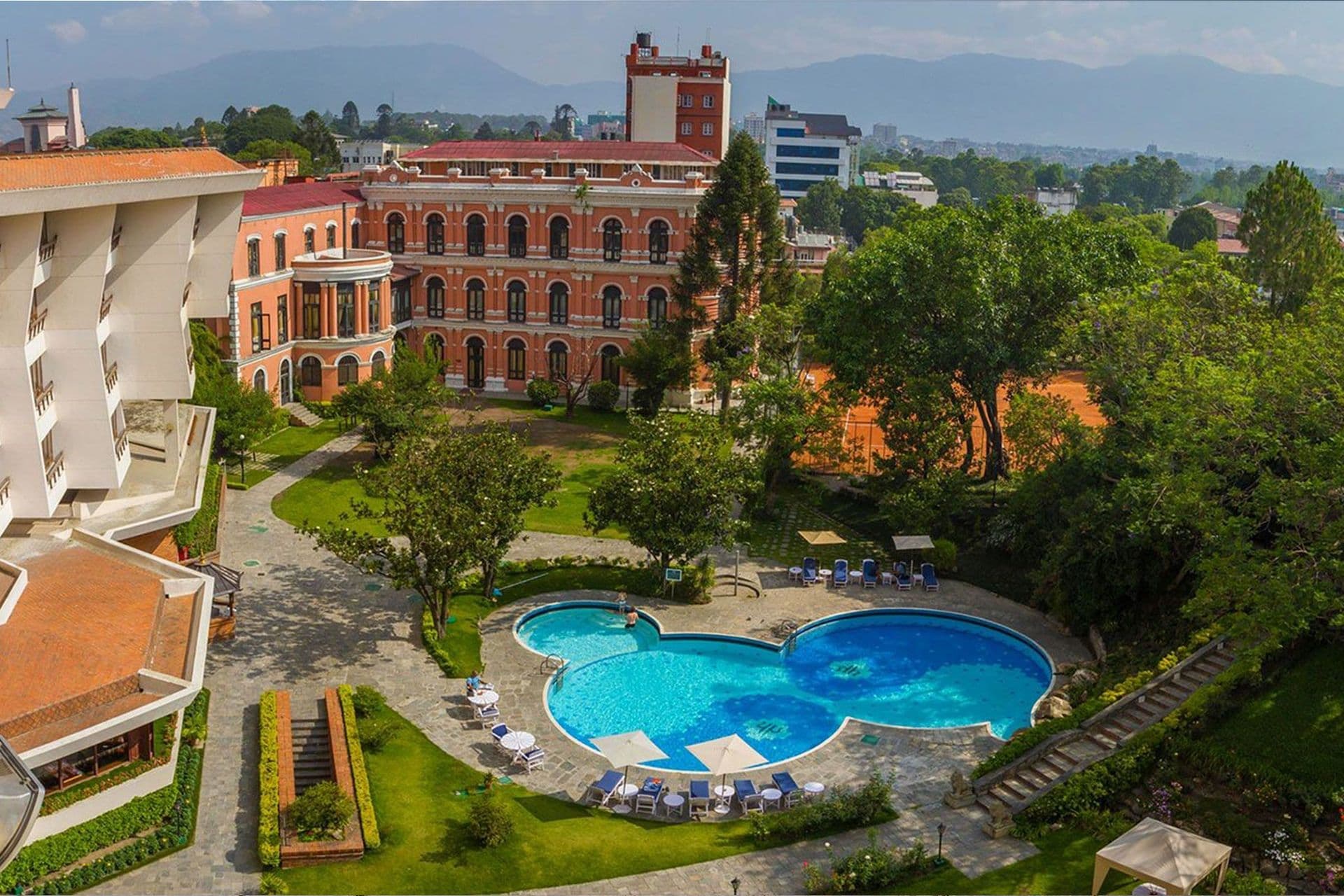
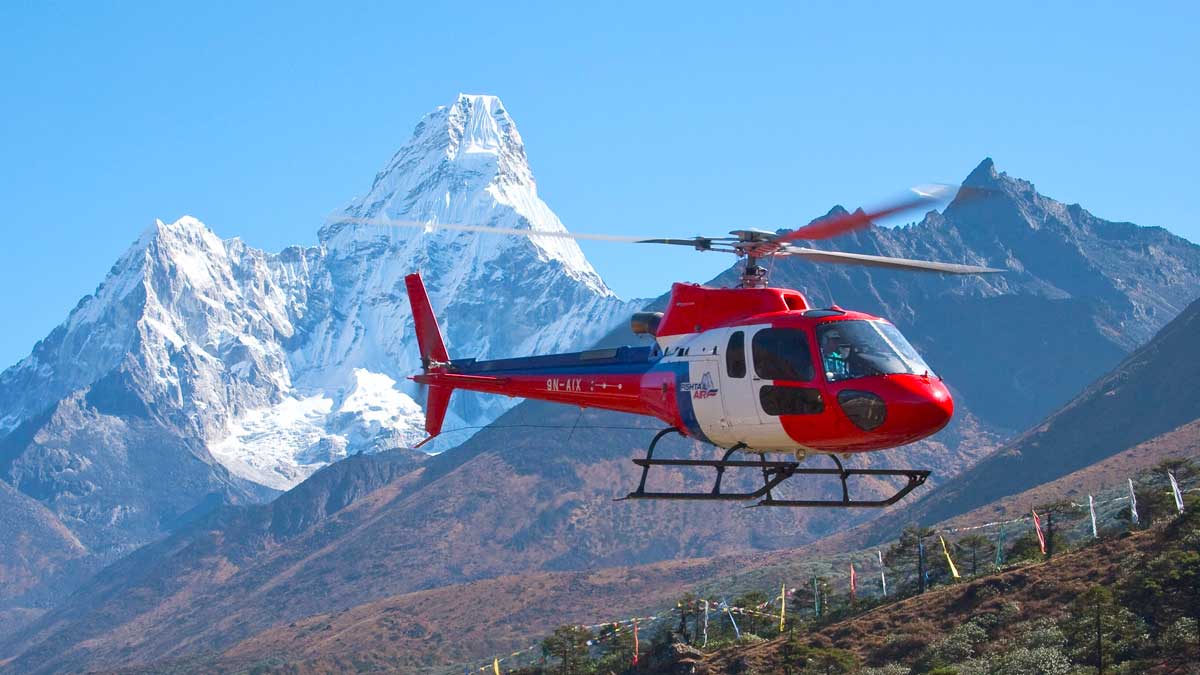
Over the past several years, Nepal has quietly built out a luxury travel scene that rivals some of the more established high-end destinations in Asia. Boutique mountain lodges now sit alongside traditional teahouses. Helicopters have replaced multi-day treks for travelers who want to see Everest or Annapurna without weeks of walking. Private guides, tailor-made itineraries and heritage hotels in Kathmandu and Pokhara have upgraded the once rugged adventure into something a little more polished.
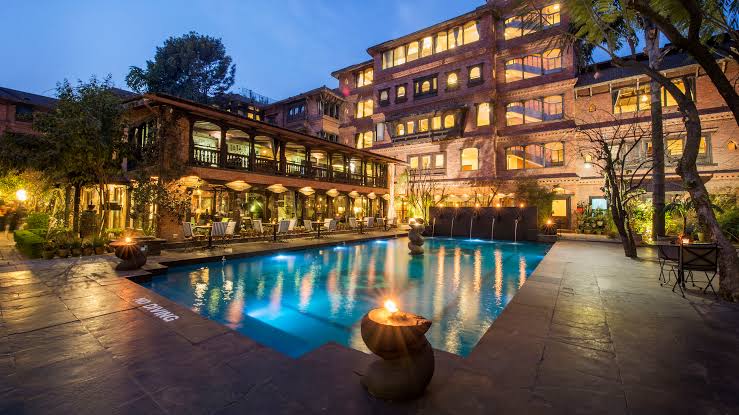
Is Nepal considered a luxury destination? The short answer is yes, but it looks different from luxury travel in places like the Maldives or Bali. Nepal’s geography and culture dictate its take on luxury. It's less about infinity pools and more about exclusive access: a helicopter flight over the Himalayas at sunrise, a private wellness retreat tucked into the hills outside Kathmandu, or a heritage stay in a restored Newari mansion in Bhaktapur.
In this guide, we'll break down what luxury travel in Nepal actually looks like today. This includes information about the accommodations, the signature experiences that are worth booking, the types of travelers who will benefit most from this kind of trip, and the typical costs involved. Whether you're planning a honeymoon, a milestone trip, or simply want to experience the Himalayas in comfort, Nepal has much more to offer than many travelers realize.
Why Nepal Is Often Overlooked as a Luxury Destination
For most of its modern tourism history, trekking has defined Nepal. Since the 1960s and 70s, when the first waves of mountaineers and backpackers arrived to attempt Everest and wander the Annapurna Circuit, the country's identity has been built around budget trekking and rugged, self-sufficient travel. Teahouses with shared bathrooms, long days on the trail, and minimal creature comforts became the default expectation, and that image has stuck for decades.
This reputation wasn't inaccurate. For a long time, this perception accurately reflected the reality of travel in Nepal. Infrastructure outside Kathmandu and Pokhara was limited, high-end accommodations were scarce, and most travelers who came to Nepal were there specifically for the physical challenge of trekking, not for comfort. Luxury hospitality as a concept barely existed outside a handful of hotels in the capital.
But tourism infrastructure in Nepal has changed substantially over the past decade. Boutique hotels and mountain lodges have opened in areas that once had only basic teahouses. Helicopter charter companies have expanded, making it possible to reach Everest, Annapurna, and other iconic sites in hours instead of weeks. Heritage properties in Bhaktapur and Kathmandu have been restored and repositioned as premium stays. None of these developments is widely known outside the region, largely because Nepal's marketing and reputation haven't caught up with what's actually on the ground.
There's also a perception gap driven by comparison. When travelers think of luxury destinations, they tend to picture places like the Maldives, Bali, or the Amalfi Coast: beach resorts, infinity pools, and polished five-star service. Nepal doesn't fit that mold, so it is mentally filed under "adventure travel" rather than "luxury travel," even though it now offers a distinct version of the latter.
The result is a country that's often overlooked by travelers who assume Nepal means backpacks and blisters, when in reality, it now offers a legitimate high-end alternative for those willing to look past the outdated stereotype.
What Luxury Travel in Nepal Actually Looks Like?
Luxury travel in Nepal doesn't try to imitate the beach-resort model found elsewhere in Asia. Instead, it's built around the country's biggest asset: the Himalayas themselves. High-end travel here means getting closer to the mountains, culture, and remote landscapes with more comfort, more privacy, and far less physical strain than traditional trekking requires. It's less about lounging by a pool and more about exclusive access to places that used to take weeks of walking to reach.
Here's what that actually looks like in practice:
-
High-end accommodations: boutique mountain lodges, restored heritage properties, and full-service resorts in Kathmandu, Pokhara accommodation, and the hills beyond, offering a level of comfort that didn't exist in these regions a decade ago
-
Helicopter access: Direct flights to Everest Base Camp, Annapurna, and other iconic sites, cutting multi-day treks down to a matter of hours
-
Private, curated itineraries: Trips built around a traveler's specific interests and pace, rather than fixed group schedules and shared teahouse rooms
-
Personalized, concierge-style planning: Dedicated guides, private drivers, and itineraries adjusted in real time, rather than a one-size-fits-all package
-
Cultural exclusivity: Private access to heritage sites, restored Newari mansions, and experiences with local artisans and communities, layered into the trip rather than treated as a side stop
Together, these elements define a version of luxury shaped by geography and culture rather than by a beach-resort template. It's the difference between trekking to Everest Base Camp over twelve days and flying there for breakfast, then landing back in Kathmandu in time for a spa treatment.
Luxury Experiences in Nepal
Utmost Destination's own lineup shows exactly how varied luxury travel in Nepal has become, spanning helicopter access, wellness, honeymoons, and remote regions once reserved for hardcore trekkers.
-
Luxury Nepal Tour with Everest Helicopter: A 7-day trip combining Kathmandu and Pokhara highlights with a helicopter flight to Everest, skipping the multi-week trek entirely
-
Luxury Upper Mustang Tour: A 15-day journey into Nepal's remote Mustang region, paired with high-end accommodations along the way
-
Royal Romance: Luxury Honeymoon in Nepal: A 10-day private itinerary built for couples, blending mountain scenery with intimate, upscale stays
-
Luxury Wellness & Spiritual Reset in Nepal: A 10-day retreat pairing yoga, spa, and mindfulness with the Himalayan backdrop for travelers prioritizing rest over adventure
-
Muktinath Helicopter Tour: A single-day helicopter pilgrimage to Muktinath, combining sacred sites with fast, comfortable access
-
Luxury Nepal Escape: A 12-day high-end circuit through the Himalayas, designed as a full immersion in Nepal's culture and landscapes with premium comfort throughout
Together, these packages show that Utmost Destination's luxury offering isn't a single product, but a full spectrum: fast helicopter access for time-constrained travelers, deep-immersion circuits for those with more time, and dedicated honeymoon and wellness itineraries for travelers with a specific purpose in mind.
For Whom Is Luxury Travel in Nepal?
Not all travelers are looking for, or need, a two-week trek to experience the Himalayas, and that’s where luxury travel in Nepal comes in. It’s designed for those who want the nation’s iconic landscapes and culture, but without the physical demands that traditionally came with reaching them. This approach opens up Nepal to many more travelers than the trekking-only image suggests.
-
Time-pressed travelers: Those who have a week or less to spend but want to see Everest or Annapurna close-up, without a multi-day trek
-
Honeymooners and couples: travelers looking for privacy, romantic settings, and curated experiences over shared teahouses and group itineraries
-
Wellness-oriented travelers: those who seek rest, recovery, and mindfulness and are drawn to Nepal's wellness retreats as much as its mountain views
-
Older or less active travelers: travelers who want to experience the Himalayas but not the rigors of high-altitude trekking, using helicopter access and comfortable accommodations instead.
-
First-time travelers to Nepal: Travelers who want a taste of the country’s highlights without the steep learning curve or physical preparation trekking demands
-
Milestone and celebration travelers: Those celebrating an anniversary, birthday or other occasion who want a once-in-a-lifetime experience without roughing it
To summarize, a luxury trip to Nepal is not a diluted version of the trekking experience. It’s a completely different way to see the same destination, tailored for travelers whose priorities are comfort, time and personalization, not physical endurance.
Cost of Luxury Travel in Nepal
One of the most common misconceptions about Nepal is that it's automatically a cheap destination simply because budget trekking is so well known. Luxury travel in Nepal actually costs more than its backpacker reputation suggests, especially when you include helicopter transfers, boutique accommodations, and private guiding, making it comparable to other premium Asian destinations.
What actually drives the cost:
-
Helicopter transfers: The single biggest cost factor, since flights to Everest, Annapurna, or other remote areas replace what would otherwise be days of walking and basic teahouse stays
-
Accommodation tier: Boutique lodges, heritage hotels, and full-service resorts cost significantly more than standard teahouses or budget guesthouses but come with private rooms, quality dining, and better amenities
-
Group size: Private, one-on-one itineraries cost more per person than joining a fixed group departure, since guides, drivers, and vehicles aren't shared
-
Trip length and season: Peak seasons (spring and autumn) carry higher prices across flights, permits, and accommodations, while shorter, more efficient itineraries (like heli day trips) can offer high-end experiences at a lower overall cost than a full multi-day luxury trek
What's typically included at the premium tier:
-
Private guides and drivers for the full trip
-
Helicopter transfers to major sites, where relevant
-
Boutique or heritage accommodations rather than standard hotels
-
Curated, flexible itineraries built around specific traveler interests
-
Airport transfers, permits, and logistics handled end-to-end
Because pricing varies so much by itinerary, helicopter routes, accommodation choices, and trip length, it's worth working with a specialist operator to get an accurate quote rather than relying on a general figure. Costs can vary widely from a single-day helicopter tour to a multi-week private luxury circuit.
How to Plan a Luxury Nepal Trip
-
Decide what’s most important to you: mountain views, cultural immersion, wellness or a mix of the three.
-
Opt for a full luxury circuit or a shorter high-impact trip like a single helicopter day tour.
-
Choose a stay based on your comfort priorities, from boutique lodges to heritage hotels.
-
Also consider the season; spring and autumn have the best weather but also higher demand and pricing.
-
Pick group size. Private itineraries are pricier, but they are far more flexible.
-
Hire a specialist operator who can deal with permits, helicopter logistics and last-minute weather changes.
-
Match your priorities with the right itinerary by comparing packages using a resource such as our guide to choosing the right Nepal tour package.
-
Book helicopter transfers and accommodation well in advance during peak season, as availability is limited.
-
Clarify what is in the package (guides, transfers, meals, permits) before closing
Conclusion
So, is Nepal a luxury destination? Yes, just not the kind most travelers expect. It’s not so much about pools and resorts; it’s about exclusivity: helicopter flights, boutique stays and itineraries that are designed around comfort rather than endurance. This is what we do at Utmost Destination. Want to experience the Himalayas on your own terms? Contact us to start planning your luxury Nepal trip.